Local Construction Insights to Tucson General Contractor
How to Pick the Right General Contractor for Your Next Home Project
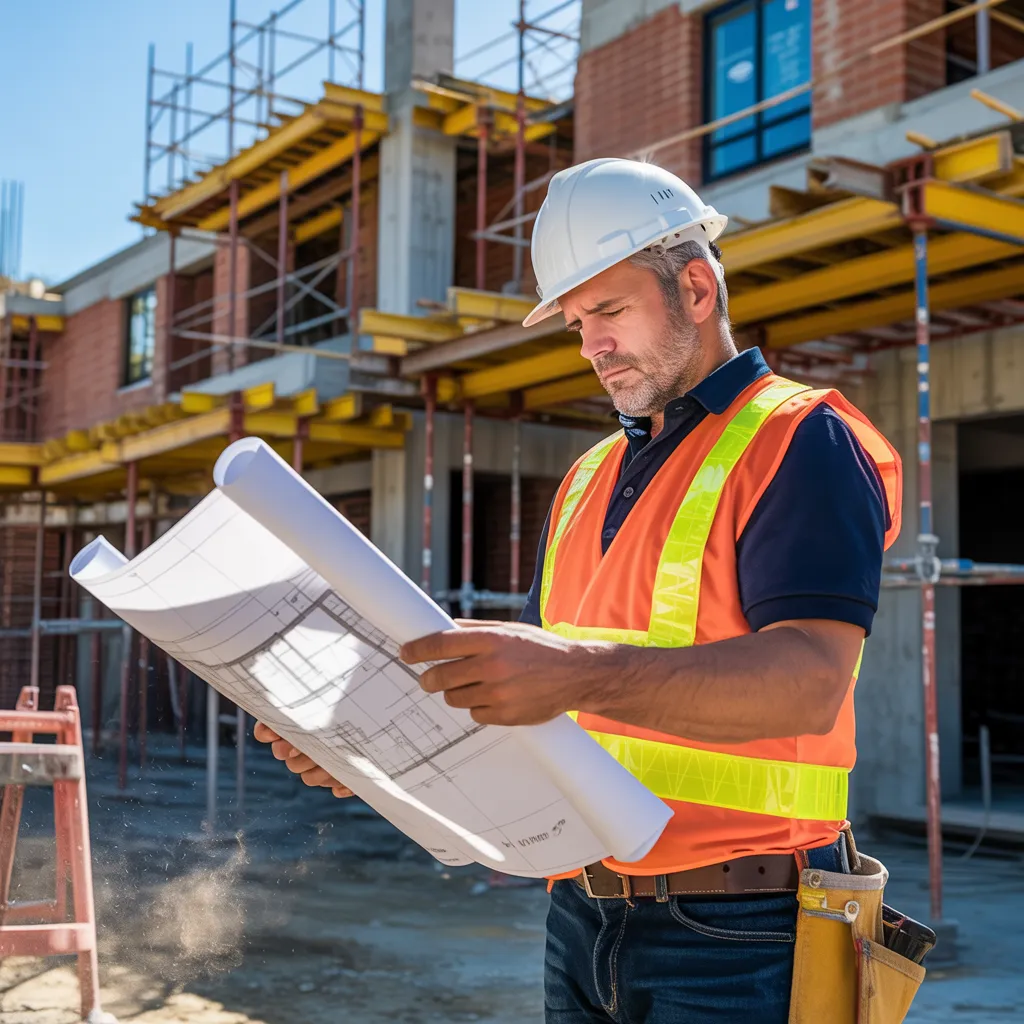
Determining the ideal building professional for your home project is an fundamental determination. This demands deliberate analysis of diverse considerations, such as experience, qualifications, and communication abilities. Numerous homeowners fail to notice critical elements, causing costly problems. Understanding how to evaluate candidate contractors can make a profound difference. By prioritizing essential benchmarks and posing the correct inquiries, individuals can traverse this intricate process more productively. What are the vital steps to guarantee a successful relationship?
Essential Factors for Sidestepping Common Mistakes When Picking a Professional
When finding a general contractor, how can one navigate the wide range of selections without making frequent blunders? Prospective clients often miss critical points that can cause poor results. First, relying solely on price can be unclear; the lowest bid may represent subpar quality or hidden costs. Additionally, overlooking testimonials or digital reviews can result in employing a contractor with negative feedback. It is also essential to not rely solely on charm; a personable contractor may not demonstrate the required abilities or trustworthiness. Moreover, not setting explicit communication and goals can lead to errors and displeasure. Finally, omitting comprehensive contract evaluation before signing can result in unexpected obligations or lack of protection. By being watchful and knowledgeable, homeowners can make better choices, ultimately leading to a successful project.
What to Search For in a Contractor's Background
When evaluating a contractor's track record, several key factors come into play. Applicable work history, industry certifications, and an comprehensive collection of completed work represent essential markers of their competencies. Evaluating these elements can offer valuable insights into the contractor's suitability for the particular job at hand.
Applicable Assignment History
Recognizing a contractor's applicable work history is essential for guaranteeing the success of any construction endeavor. Prospective clients should assess the contractor's portfolio, focusing on completed projects comparable in size and design to their own. This involves examining the caliber of craftsmanship, adherence to timelines, and budget management in past projects. Additionally, it is beneficial to inquire about the kinds of substances used and the contractor's knowledge of local building codes and standards. Reviews and recommendations from past clients can shed light on the contractor's dependability and communication skills. Ultimately, a contractor with substantial relevant experience can handle difficulties effectively, guaranteeing the project meets the homeowner's requirements and benchmarks.
Industry Credentials And Permits
Certification and licensing act as important indicators of a contractor's professionalism and proficiency in the construction industry. When hiring a general contractor, it is essential to verify that they hold the demanded licenses set by local and state regulations. These licenses show compliance with building codes and safety standards. Moreover, industry certifications, such as those from the National Association of Home Builders or other comparable organizations, showcase a contractor's commitment to high standards and ongoing education. Contractors possessing specialized certifications may also have skills in particular areas, like green building or remodeling. Making sure a contractor has the appropriate credentials not only builds confidence in their abilities but also reduces potential legal and financial risks during the project.
Showcase Of Completed Work
A professional's portfolio featuring accomplished jobs functions as a essential resource for measuring their skills and competence. This array should present a range of jobs, demonstrating flexibility in various styles and levels of complexity. When examining a portfolio, future clients need to find high-grade photos that distinctly represent the workmanship involved. It is also helpful to view projects that align with the homeowner's particular requirements or aesthetic preferences. Meticulousness, new techniques, and meeting deadlines are key signs of a contractor’s competence. Moreover, buyer endorsements or case studies included in the portfolio can offer more knowledge into the contractor's reliability and consistency. In the end, a strong portfolio helps homeowners decide confidently for their forthcoming tasks.
Ways to check Your Contractor's Certifications and Authorizations
Before selecting a general contractor, it is paramount to corroborate their qualifications and certifications to ensure they meet occupational requirements. Proceed by liaising with state regulatory boards to verify that the contractor secures the required licenses for your region and job category. Each state dictates its own requirements, so learning them can prevent future setbacks.
Furthermore, ask regarding insurance coverage, including liability and workers' compensation, to ensure protection against potential accidents or damages. Request references from previous clients and follow up to assess satisfaction and reliability.
Finally, review any certifications the contractor may possess, as these often indicate advanced expertise and adherence to industry best practices. A thorough verification process not only ensures adherence but also establishes trust in the contractor's ability to complete the project successfully.
Why Consistent Dialogue Is Key in Your Contractor Professional Relationship
Essential communication plays a key role in the relationship between contractors and clients, determining the project's success from the outset. Clear discussion establishes expectations, timelines, and budgets, ensuring both parties are in agreement on the project's goals. When clients express their vision effectively, contractors can provide knowledgeable recommendations and solutions, enhancing the overall outcome.
Frequent updates and open lines of communication facilitate quick resolution of issues as they occur, minimizing potential delays. Additionally, a contractor who listens and acknowledges client feedback develops trust, which is indispensable for collaboration.
Additionally, effective dialogue assists in handling changes and unforeseen obstacles, keeping the project on schedule. It allows the contractor to adjust approaches based on client input, guaranteeing contentment during the process. In the end, emphasizing communication not only strengthens the contractor-client connection but also significantly contributes to the successful finishing of the home project.
Vital Topics to Bring Up with Your Contractor in First Meetings
When first meeting with a contractor, clients should focus on understanding their experience and qualifications. It's imperative to examine the project timeline and budget to assure alignment with the client's expectations. These questions establish a foundation for a successful partnership and effective project management.
Background and Qualifications
Selecting a general contractor copyrights on understanding their experience and qualifications. Homeowners should ask about the contractor's industry experience and the kinds of projects they have done. Specific questions regarding permits, certifications, and coverage are crucial, as these ensure adherence to local laws and provide protection during the project. Additionally, examining previous work through showcases or references can offer insight into the contractor's craftsmanship and reliability. It is also beneficial to question them on their experience in similar projects, as this can demonstrate their ability to manage specific obstacles. Ultimately, evaluating a contractor's experience and qualifications fosters confidence and helps homeowners make informed decisions about their home projects.
Project Timeframe and Budget
How can homeowners ensure their project stays on schedule financially and temporally when meeting with a general contractor? To stay aligned, they should ask significant questions during initial meetings. Homeowners must ask regarding the projected schedule for project completion and any potential delays that could arise. Comprehending the contractor's approach to schedule management is read the information essential. Additionally, talking about the budget upfront is vital; homeowners should obtain clarification on pricing quotes, payment schedules, and any included contingencies for unexpected costs. Asking about previous projects can offer understanding into the contractor's dependability in meeting deadlines and staying within budget. By establishing clear communication regarding timelines and finances, homeowners can build a strong partnership with their contractor, enhancing the likelihood
Strategies for Evaluating References and Reviewing Reviews
What steps should one pursue to guarantee a general contractor is consistent? First, it is critical to request a list of testimonials from potential contractors. A reputable contractor will unhesitatingly share names and contact information of previous clients. One should call these references to inquire about their experiences, focusing on elements such as communication, quality of work, and adherence to timelines.
Additionally, examining online reviews on platforms like Google, Yelp, or Angie's List can provide useful insights. It is crucial to look for patterns in the comments—consistent compliments or criticism can indicate dependability or possible problems.
Furthermore, examining any complaints submitted with local licensing boards or consumer protection agencies can uncover a contractor's history. Finally, requesting recent project photos can help determine the quality of their work. By taking these approaches, one can make a more informed decision when selecting a general contractor.
Learning About Contractor Fees and Compensation Policy
Property owners ought to get familiar with customary payment terms. Most contractors insist on a deposit beforehand, with subsequent progress payments contingent on project milestones. It's essential to negotiate these terms before approving a contract to prevent misunderstandings. Also, homeowners should verify potential hidden expenses, such as permits or unforeseen maintenance. Clear dialogue regarding pricing and financial terms will help cultivate a forthright working relationship, which ultimately leads to a thriving project outcome. Grasping these elements enables homeowners to opt wisely when engaging a general contractor.
Popular Asked FAQs
What Is the Timeline for Completing the Project?
The project duration typically varies depending on scope and complexity. Generally, completion could require multiple weeks or months. Elements such as weather, material availability, and workforce availability can significantly impact the completion timeline.
What Happens if Unexpected Issues Surface During Development?
If unforeseen problems arise during building, the contractor typically assesses the circumstances, discusses with the homeowner, and suggests remedies. Adjustments to the timeline and costs might be necessary, guaranteeing transparency throughout the process.
Do I Require Approvals or Inspections for My Project?
Most undertakings require permits and inspections to ensure compliance with local construction regulations. It is crucial to speak with a general contractor who comprehends these requirements, as they can navigate the permitting process effectively.
How Do You Administer Subcontractors and Their Payment Arrangements?
A accomplished general contractor conducts subcontractors by creating definitive agreements presenting payment terms. They ensure consistent payment, maintain open communication, and check subcontractor performance, advancing a collaborative environment that enhances project completion and optimization.
What Is Your Approach to Project Alterations or Improvements?
The contractor follows a flexible approach to scope changes, requiring documented proof for any upgrades. They commit to clear communication, review cost implications, and adjust project schedules accordingly to support the client's dynamic needs and preferences.